



by Alessia Canarino
There is something deeply symbolic in the fact that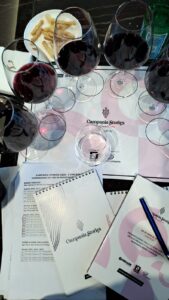 Campanian wine in 2026 has chosen the Royal Palace of Caserta as its opening stage. Those halls, where the Bourbons ruled over half the Mediterranean, welcomed forty journalists from every corner of the world from April 23rd to 26th for the fifteenth edition of Campania Stories . An event that—numbers in hand—is worth the trip: 82 wineries, over 200 labels for tasting, and a province, Caserta, that is slowly, tenaciously, rewriting its winemaking identity.
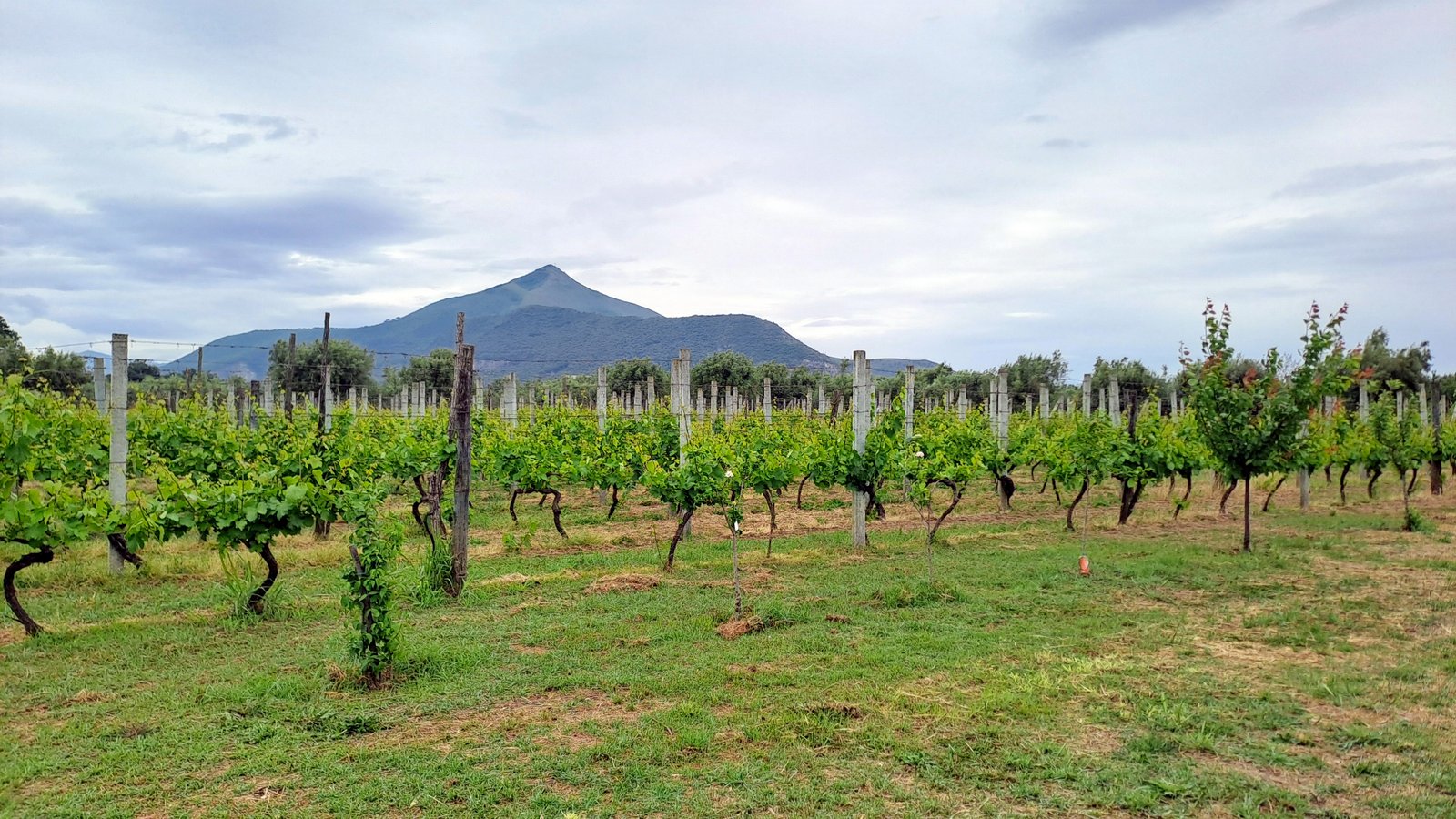
The choice of the Royal Palace was neither accidental nor purely scenic. It was a gesture of cultural reclamation. Because it is precisely in this area, where, in addition to the gardens designed by Vanvitelli and the frescoed halls that Italian history has traversed like a karst current, Ferdinand IV had the Vigna del Ventaglio planted: 10,000 vines arranged in ten rows, each dedicated to the court’s favorite grape varieties. Two of those rows were reserved for Pallagrello, red and white , the grape that today returns to the forefront. A circle that closes after three centuries.
The event, organized by Miriade & Partners with the support of the Campania Region and in partnership with AIS Campania and the Vitica Consortium, led journalists to explore a territory the Romans had already given an eloquent name: Campania Felix , the happy land. An area dotted with Roman villas, springs with almost legendary properties, and vineyards that quenched the legions’ thirst. This is no small detail: the town now called Liberi, in the upper Caserta province, was once called Schiavi, in homage to the Roman legionaries who had settled there. Wine here has a long history.
Wines: From the Vineyard of Kings to the Cellars of the Future
 The absolute star of the tastings was
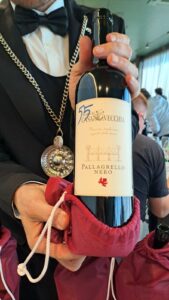
 Pallagrello , a grape with a dual personality. The white version has a tough, drought-resistant skin, with a sharp acidity that paradoxically coexists with a marked capacity for sugar accumulation: the result is a white wine of rare balance, almost oxymoronic in its structure. The black version, on the other hand, is more exuberant, fruity, and supple, one of those grapes that wood can tame without subduing.
The other star is Casavecchia , formerly known as Trebolanum : thick-skinned, rich in anthocyanins, a rustic, tannic character that in past vintages I sometimes found excessive, almost impetuous. This time, however, the new generation of Caserta producers seems to have found the right key: less muscular concentration, more finesse. A sign that the terroir is maturing, and not just in the barrels.
Our tastings among the champions who have left their mark
Alois – Pallagrello Bianco “Caiatì” 2025 : citrus and tropical fruit in perfect balance, with a persistent flavor that makes every sip a kind of reminder of the sea.
Cantina di Lisandro – Pallagrello Bianco “Lancella” 2025 : Mediterranean scrub and full body, yet surprisingly easy to drink. A white that doesn’t take itself too seriously, and that’s precisely why it’s so appealing.
Vigne Chigi – Pallagrello Nero “Rosa Canina” 2025 : A copper-colored rosé with notes of mango and yellow-fleshed fruit, closing with a vibrant citrus finish. Unexpectedly seductive.
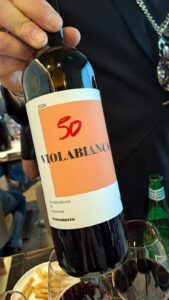 Scaramuzzo – Casavecchia “Violabianca” 2024 : dark fruit, licorice, oak. Tannins still nipping, still searching for their place in the glass. A wine that requires patience and will likely reward you handsomely.
Casavecchia Winemakers – Casavecchia “Erta dei Ciliegi” 2024 : austere, almost ascetic. Blackcurrant, blueberry, and a tannic structure that doesn’t sag an inch. A meditation wine, not an aperitif.
Alois – Casavecchia di Pontelatone DOC Riserva “Trebulanum” 2021 : the standout of the evening. Ripe dark fruit, sweet spices, and beeswax. On the palate, it unfolds with a richness and elegance that make you forget how challenging this grape variety can be.
Casavecchia Winemakers – “Prea” 2021 : Traditional, balsamic, spicy style. A wine that seems built to last, and will likely be making waves in a few years.
Tenuta Selvanova – Pallagrello Nero “Matèsio” 2023 :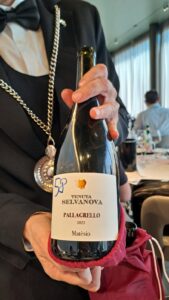 Delicate, floral, almost timid in its approach. On the palate, it opens with savory flavors and velvety tannins, finishing on notes of red fruit. A pleasant surprise.
Villa Matilde Avallone – Piedirosso “Stregamora” 2024 : wonderfully integrated tannins, ripe red fruit, and a morello cherry finish. A wine that doesn’t scream, but would convince anyone.
Porto di Mola – Aglianico “Camporoccio” 2023 : all the character of a grape that doesn’t give a damn, ready to drink. Balsamic and concentrated, with a licorice finish as a signature.
Campania Stories 2026 concluded on April 27 with the traditional day dedicated to industry professionals. But the story it tells goes much further: it’s the story of a province—Caserta—that once stood in the shadow of its Irpinia cousins—Fiano, Greco, Falanghina, and Aglianico DOC—and which now, varietal by varietal, is reclaiming its place in the sun. Or rather, in the sun of Campania Felix .