


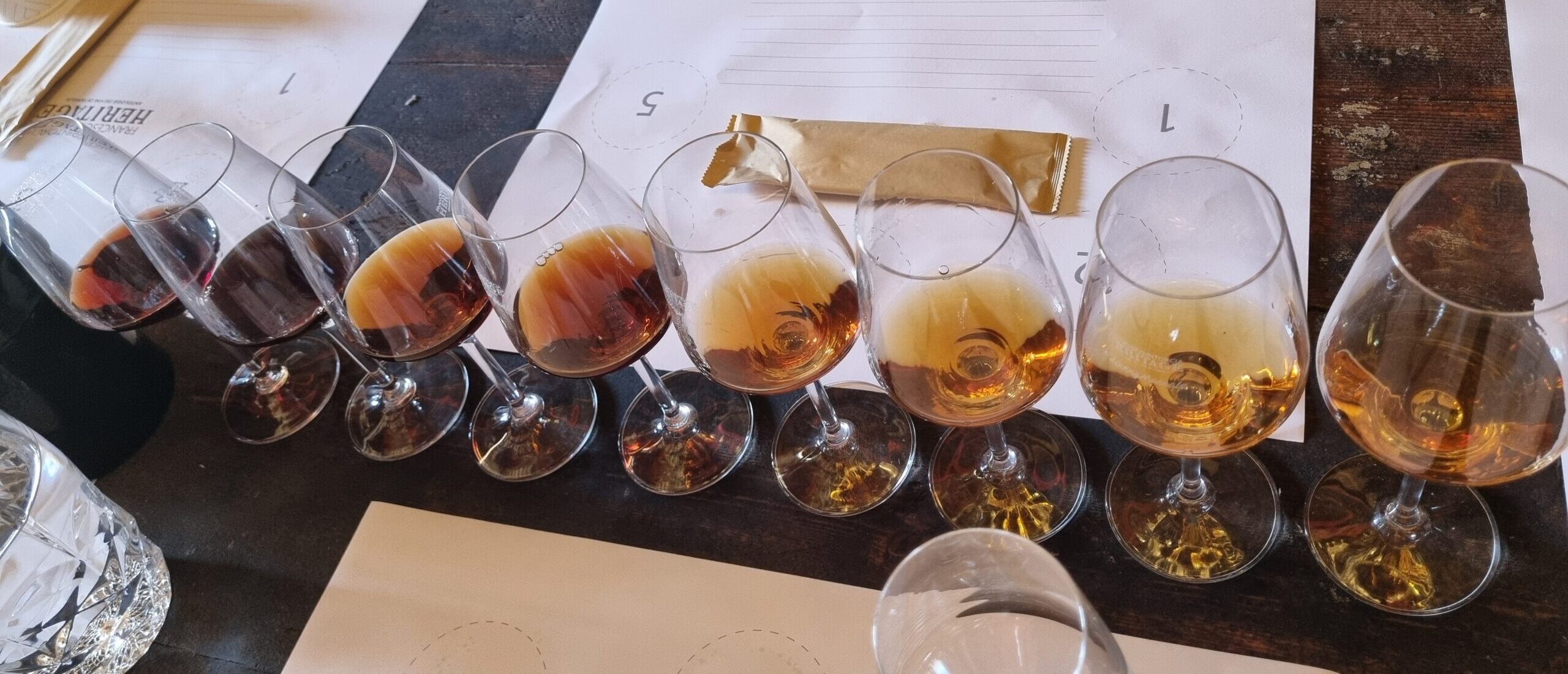
(WR) There comes a moment when a wine stops being just a bottle and returns to being a landscape. For Marsala DOC, that moment may have arrived last April 29th, when the annual members’ meeting—gathered in the historic Pellegrino cellars—unanimously voted to establish the UGA, Additional Geographic Units. A technical acronym, sure, but behind it lie vineyards, winds, clays, and altitudes: the raw material of its identity. The decision formally opens the path to official recognition from the Sicilian Region, the Ministry of Agriculture, and the European Commission. A bureaucratic process, yes—but also a declaration of intent: Marsala wants to return to telling its story through its territory, not its label.
Four areas for one name
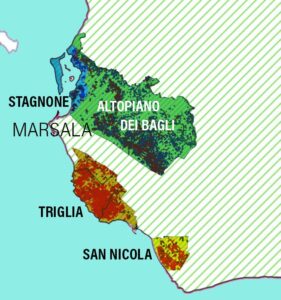 The technical-scientific study underlying the project—developed by Panagri through a multifactorial analysis of georeferencing, climate, soil, and orographic data—identified four homogeneous zones: Stagnone, Altopiano dei Bagli, Triglia, and San Nicola. Four distinct characteristics under one name, similar to the great wines of France or our home-grown Barolo. “We worked on solid scientific foundations, correlating climate, soil, altitude, exposure, wind, and vine development,” explains Carlo Alberto Panont, a national appellation expert. “UGAs arise from a genuine understanding of the territory. This means moving from implicit to measurable knowledge.”
“We need to reach new audiences”
The president of the Consortium, Benedetto Renda, does not hide the strategic ambition of the operation: “With the ratification of the UGA, we are embarking on a journey that will strengthen Marsala’s identity and open up a new market perspective. We must expand its consumption opportunities, reach new audiences, and bring Marsala back into contemporary languages—including through mixology and cocktails, where it can express extraordinary versatility.”
A crucial step, at a time when “complex” wines are everywhere suffering from the trend of light, easy-drinking wines. Relying on history and geographical zoning is one possible response—perhaps the only truly lasting one.
Roberto Magnisi , technical director of the Duca di Salaparuta winery, ups the ante on wine tourism: “The UGAs allow us to restore Marsala’s landscape, its agricultural and community dimension. Defining the areas means building a destination, creating relationships, generating experiences.” And then there’s time, “the great heritage of Marsala,” says Magnisi—that long time spent in the aging cellars, a planted heritage that today is once again becoming a lever for development.
Same Board of Directors, new season
The meeting also unanimously renewed the Board of Directors for the three-year term 2026-2029, confirming all outgoing members: Benedetto Renda, Roberto Magnisi, Orazio Lombardo, Francesco Intorcia, and Giuseppe Figlioli. Continuity in governance, discontinuity in vision: this is the message the Consortium wishes to convey. The project, previewed at Vinitaly 2026, is now entering its operational phase. Marsala, in short, has decided to start over from the land. And to do so with all its paperwork in order.