



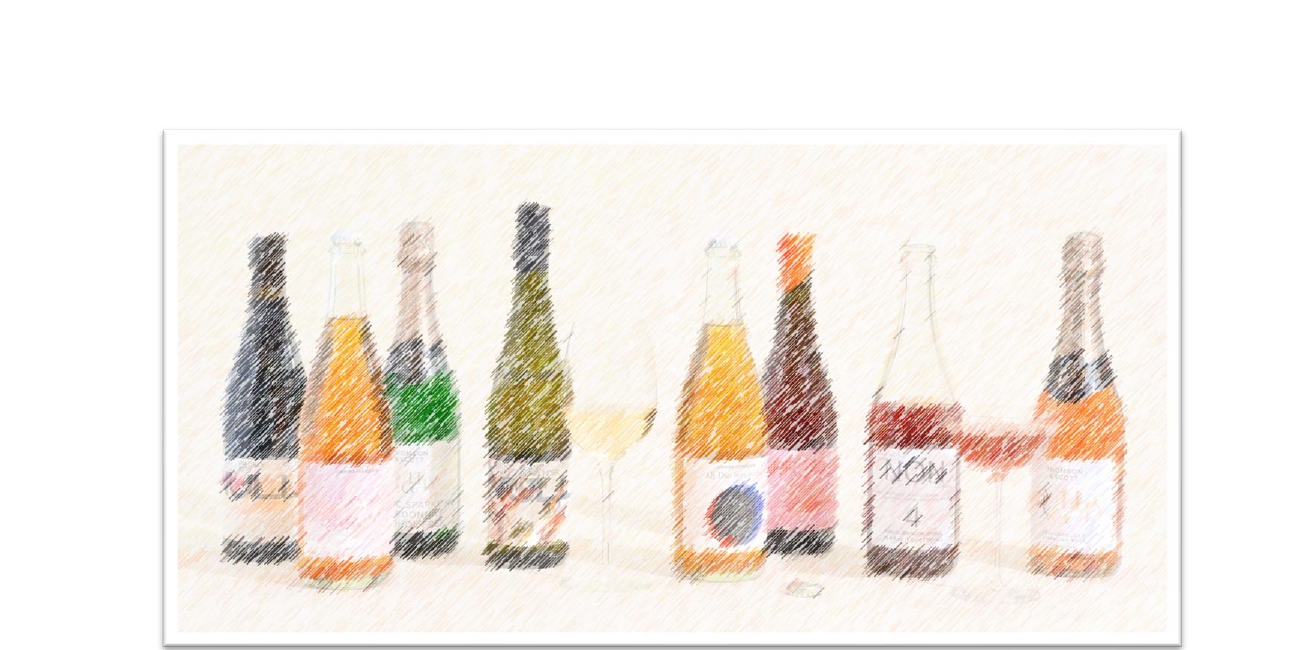
The new law on the production of dealcoholized wines in Italy came into force on January 1, 2025. The regulation represents an important step forward for our wine sector, paving the way for new market opportunities and satisfying the demands of a public that is increasingly attentive to its food choices. After all, we have adapted, with delay, to what has been done in other European countries for years and Italian producers could not be left behind. Obviously, we are not talking about all producers, but about a significant portion of the business world of our wine that has been asking for some time to adapt our legislation to that of our European competitors. Spanish and French producers (who have also authorized dealcoholization for AOCs, or our DOCs) are already on the market. Thanks to the new decree, new sales prospects are opening up for Italian winemakers, especially abroad and in particular in North America where “no-lo” (“no and low alcohol”) wines have been popular with certain consumer groups for years.
What does the new law provide?
- The production of dealcoholized wines (with less than 0.5% alcohol) and partially dealcoholized wines (under 8.5% alcohol) is authorized in Italy, putting an end to pre-existing bans. A classification that allows for the clear identification of products, guaranteeing transparency to the consumer.
- IGT, DOC and DOCG wines are excluded from the dealcoholization process to preserve their typical characteristics. These certifications are awarded by the European Union to agricultural and food products considered to be of high quality and strongly linked to the territory of origin.
- Please note: it is possible to reduce the alcohol content not only in still wines, but also in sparkling and frizzante wines, both in their standard and quality versions. Wines with a controlled denomination and IGT are always excluded.
- A restriction that could be modified in the future, as hoped by Paolo Castelletti, general secretary of Unione Italiana Vini (Uiv), who underlined the need to include at least IGT wines to further enhance the potential of the rule.
- In the process of dealcoholization of wine, it is forbidden to increase the sugar content and the addition of water or exogenous aromas is also prohibited.
- It is permitted to carry out the process directly in the cellars, as long as they are in separate rooms from those used for winemaking and bottling. A change that responds to the explicit request of producers who will thus be able to make economies and synergies of scale.
- It will also be possible to produce dealcoholates in distilleries.
- The term “dealcolato” is introduced to replace the more complex “dealcoholized”, making communication clearer.
- It will also be possible to call a drink with an alcohol content of less than 8.5 degrees “wine”, something that has not been permitted until now.
Considerations
- For some medium-large companies in the wine sector, thanks to the new legislation, it will be possible to compete with companies in the sector all over the world, investing in new technologies and no longer being forced to “emigrate” to other countries just for the “de-alcoholization” process of the wine, with consequent increased costs that then weigh on the final price to the consumer.
- The production of dealcoholized wines must coexist with that of traditional wines, respecting the specificities of each category.
- According to Castelletti, 36% of Italian consumers are interested in drinking alcohol-free beverages and in the United States this market is already worth a billion dollars. Other associations such as Federvini and Coldiretti have also welcomed the decree studied by the Ministry of Agriculture and Food Sovereignty.
- From this year, in Italy, teetotalers, pregnant women, professional athletes, drivers and conductors of public transport, people who do not drink for religious reasons, but also all those who will limit their style of wine consumption due to the new Highway Code, will be able to drink alcohol-free wine.
- Dealcoholized wines should not be confused with alcohol-free wines. In the first case, a wine that is already “ready” is subjected to a chemical process of dealcoholization: the alcohol is removed through specific techniques and set aside. The remaining liquid is called dealcoholized wine. Alcohol-free wines are a different story. In this case, they are must bases in which the alcoholic fermentation is blocked at the outset or almost at the beginning. In this latter drink, alcohol is not present and there is no need to dealcoholize.